

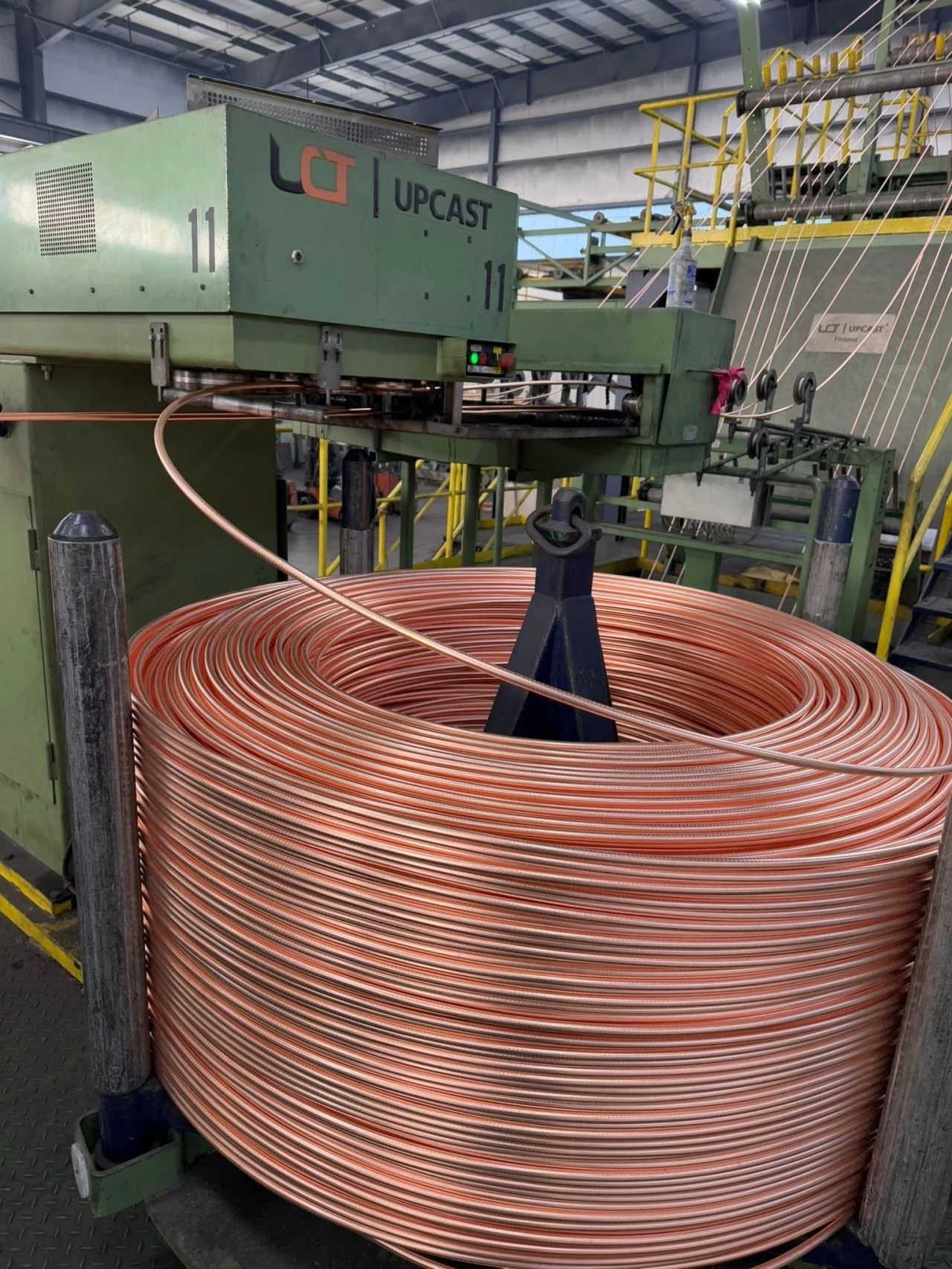
Continuous Casting vs. Upcasting Copper Rod: Why the Casting Process Matters
The performance of copper wire begins long before the drawing process. It starts with the copper rod itself. In this article, we explore the key differences between continuous casting and upcasting copper rod, including how each process affects microstructure, inclusion control, and electrical conductivity. Learn why rod quality plays a critical role in final wire performance and how upcast oxygen-free copper can deliver improved consistency and reliability for demanding electrical applications.
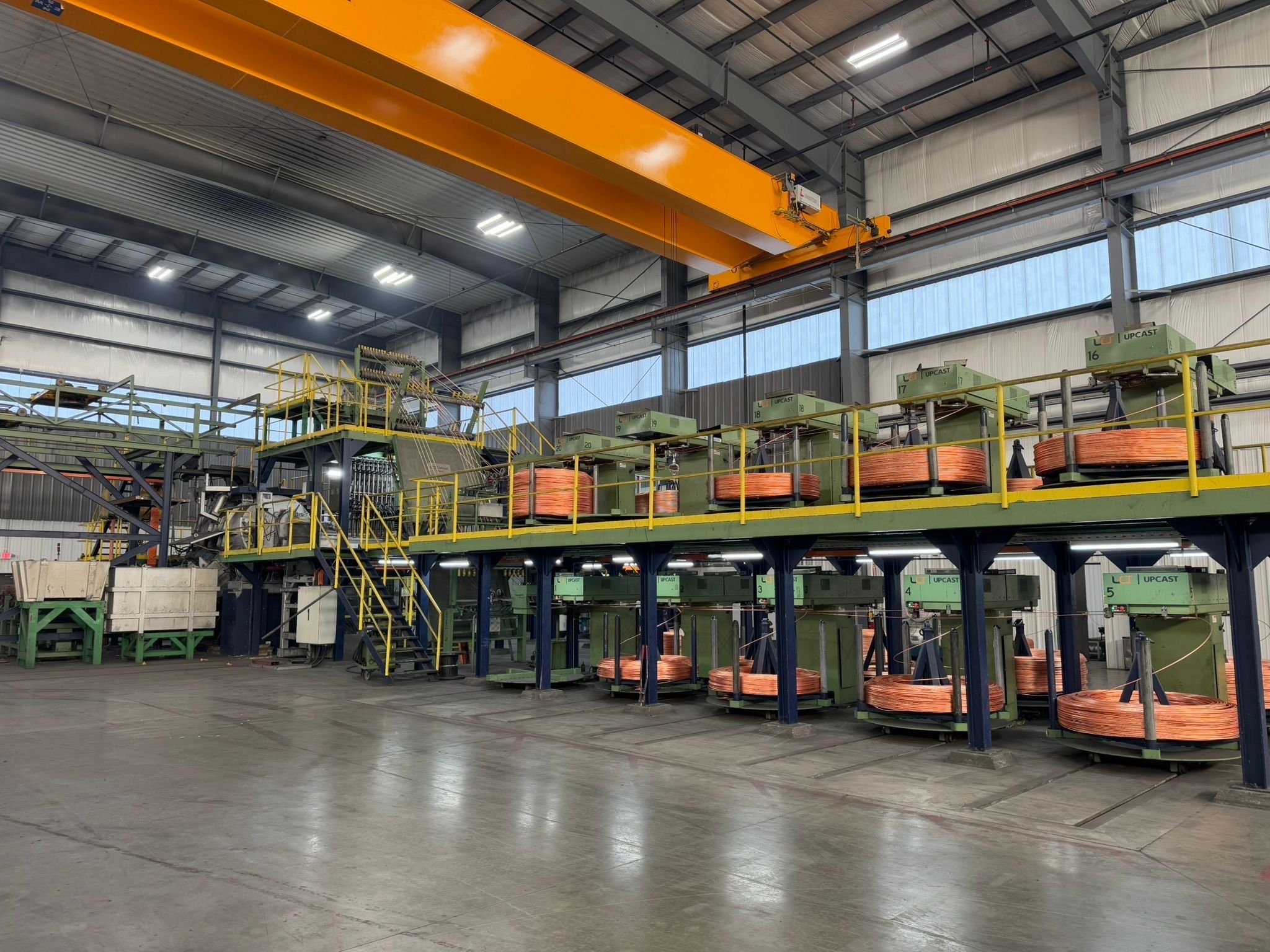
Oxygen-Free Copper vs. ETP Copper: When Does It Matter?
When selecting copper for electrical and industrial applications, understanding the difference between Oxygen-Free (OF) copper and Electrolytic Tough Pitch (ETP) copper can have a significant impact on performance and reliability. While ETP copper remains the industry standard for many applications, oxygen-free copper offers enhanced purity, improved ductility, and superior performance in high-temperature and critical environments. In this article, we explore the metallurgical differences between OF and ETP copper, when material selection truly matters, and how Sark Wire’s in-house upcasting capability delivers high-quality oxygen-free copper rod designed for demanding modern applications.
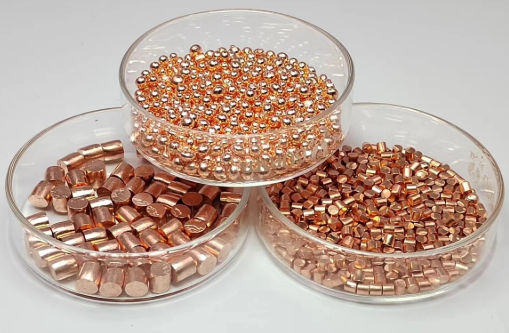
How Copper Purity Impacts Electrical Conductivity
Electrical conductivity is one of copper’s most valuable properties, but not all copper delivers the same level of performance. Even trace amounts of impurities can influence how efficiently electricity flows through a conductor. In this article, we explore how copper purity directly impacts electrical conductivity, the metallurgical differences between standard ETP and oxygen-free copper, and why many manufacturers are turning to higher-purity materials to improve efficiency, reliability, and consistency in modern electrical applications.
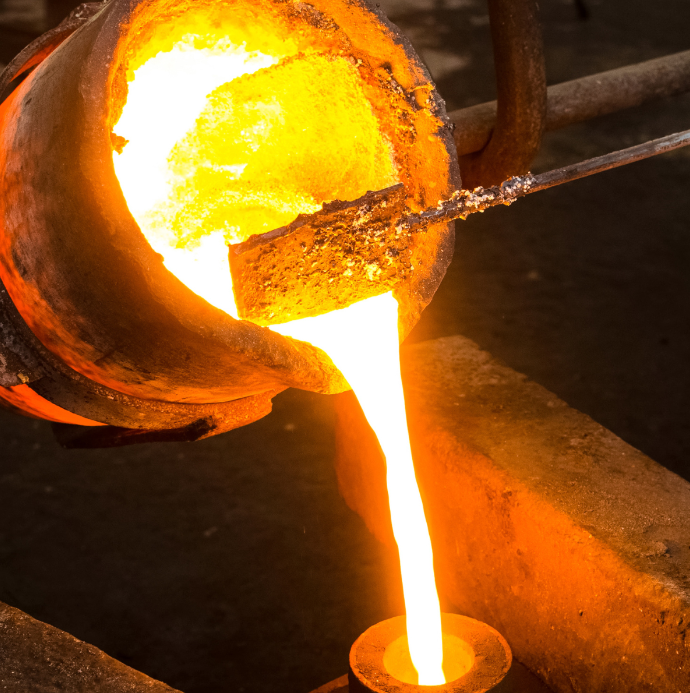
The Journey of Copper: From Raw Material to Reliable Wire
Copper wire is essential to industries such as power generation, telecommunications, automotive, and electronics. But before copper becomes finished wire, it undergoes a detailed process that includes mining, refining, rod breakdown, and precision drawing. This guide explains how copper is transformed into high-quality wire and why each stage is critical to performance and reliability.